Guide to IGCSE in Singapore — we explain what they are , the IGCSE exam boards, the differences with GCSE in UK , private tuition fees, international schools offering IGCSE, and homeschooling regulations with MOE approval.
The International General Certificate of Secondary Education (IGCSE) is a globally recognized qualification for students aged 14 to 16, typically taken at the end of secondary education. It provides a broad and balanced curriculum designed to develop essential skills such as knowledge, critical thinking, problem-solving, creativity, and communication. Culturally sensitive and suitable for diverse backgrounds, IGCSE is popular in international schools and expatriate communities, including Singapore. It prepares students for A-Levels, the International Baccalaureate (IB) Diploma, and other pre-university pathways.

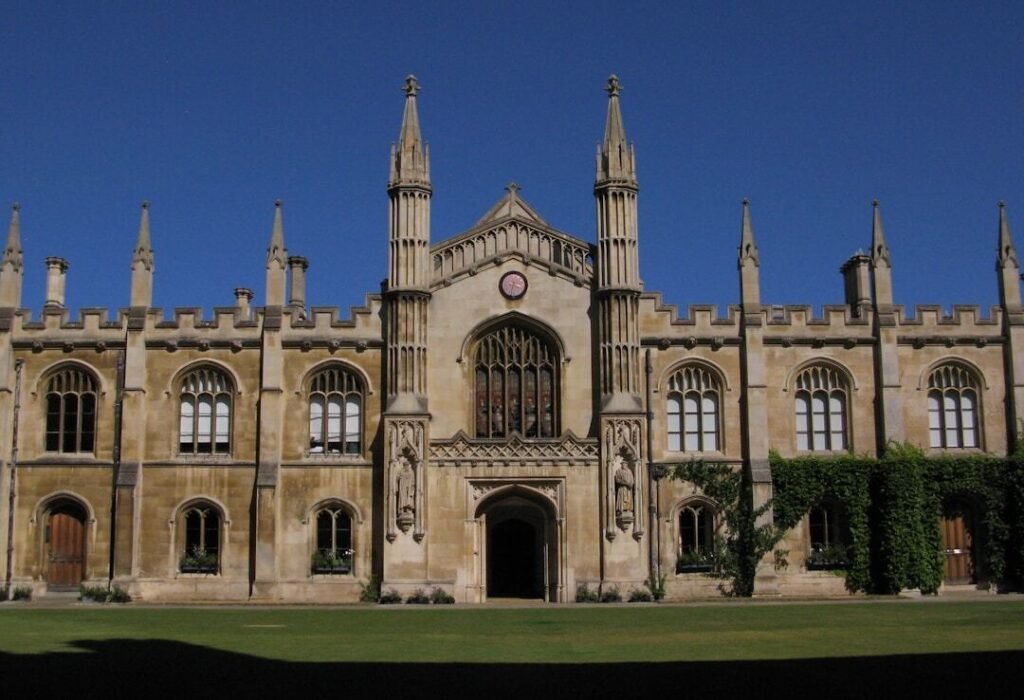
The most widely recognized provider, offering over 70 subjects with syllabuses designed for global relevance and clear assessment criteria.
A comprehensive range of subjects, globally recognized, and aligned with progression to A-Levels and other advanced studies.
The International General Certificate of Secondary Education (IGCSE) is a globally recognized qualification for students aged 14 to 16, typically taken at the end of secondary education. It provides a broad and balanced curriculum designed to develop essential skills such as knowledge, critical thinking, problem-solving, creativity, and communication. Culturally sensitive and suitable for diverse backgrounds, IGCSE is popular in international schools and expatriate communities, including Singapore. It prepares students for A-Levels, the International Baccalaureate (IB) Diploma, and other pre-university pathways.

Reality: Historically IGCSEs were seen as more challenging, but GCSE reforms since 2017 have raised standards, making both comparably rigorous today.
Reality: IGCSE maintains high academic standards; its global relevance does not reduce academic challenge.
Reality: Both are widely recognized by universities and employers worldwide.
English First Language IGCSE (Cambridge) focuses on clear, accurate communication and critical analysis of diverse, global texts. Assessments include analyzing unseen passages from varied international contexts and writing for different audiences. GCSE English Language (e.g., AQA/Edexcel) focuses more on UK-centric literary and non-fiction texts, often spanning the 19th–21st centuries, with tasks relevant to a UK context. Both assess analytical reading and effective writing; the key difference lies in cultural context and global vs national scope.
Many international schools in Singapore offer IGCSE programs. A non-exhaustive sample:
Schools offering IGCSE subjects — locations and official websites
| School Name | Location | IGCSE Subjects Offered | Website |
|---|---|---|---|
| Tanglin Trust School | Bukit Timah | Wide range including Math, Science, English, Humanities | www.tanglintrust.org.sg |
| United World College (UWC) | Dover | Comprehensive IGCSE curriculum | www.uwcsea.edu.sg |
| Stamford American School | Woodleigh | IGCSE and other international curricula | www.stamford.edu.sg |
| GEMS World Academy | Bukit Timah | IGCSE and IB Diploma | www.gems.edu.sg |
Note: Subject offerings and locations may be subject to change. Please visit each school's official website for the most up-to-date information.
Homeschooling is an alternative educational option in Singapore but requires approval from the Ministry of Education (MOE). Parents must apply for permission to homeschool legally and comply with MOE regulations. Since the pandemic, homeschooling has grown in popularity among the expatriate community. We have helped many parents navigate this process, especially those unaware of the requirements upon arriving in Singapore.
Official MOE Homeschooling Guidelines: https://www.moe.gov.sg/education/special-education/homeschooling
If you would like further assistance navigating homeschooling in Singapore, please contact us. We are here to support you every step of the way.